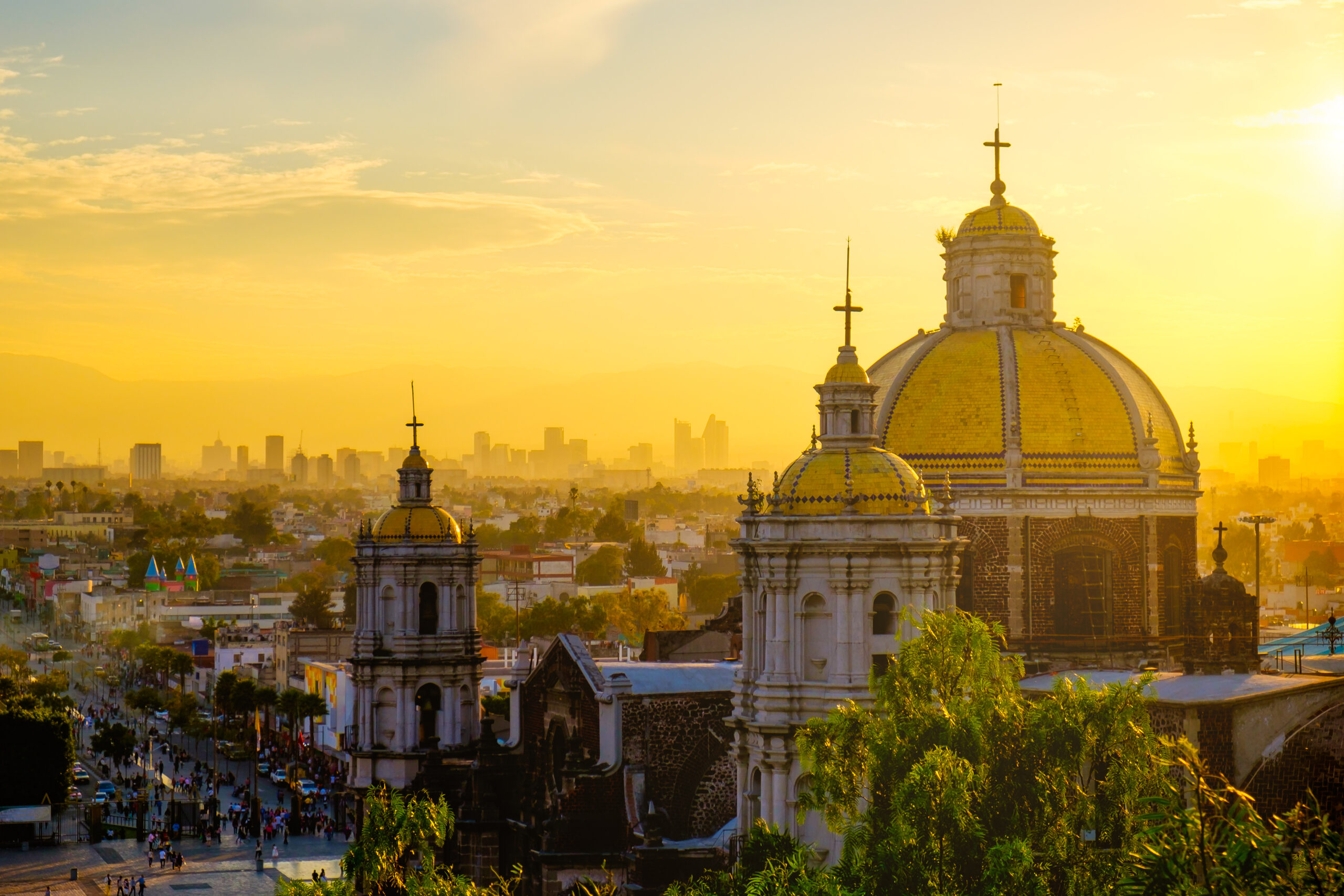
History in Mexico is not something you visit in a museum. It lives in language, habits, family stories, and unspoken rules. You feel it in conversations and in silences. For a documentary filmmaker, this weight is always present, whether the film is explicitly historical or not.
Filming Mexico means accepting that the past is never fully past.
Memory Lives in People
In Mexico, history is carried by people more than by books. Stories are passed down through families, often mixed with myth, emotion, and personal interpretation.
When someone speaks on camera, they are rarely speaking only for themselves. They are channeling parents, grandparents, and communities. Memory becomes layered and sometimes contradictory.
As a filmmaker, your role is not to correct memory. It is to understand what it means to the person holding it.
Truth in documentary work often lives in how people remember, not in whether those memories align perfectly.
Complexity Is the Story
Mexico cannot be reduced to a single narrative. Colonization, resistance, revolution, modernization, and globalization all exist at once.
Trying to simplify that complexity weakens the story. It turns lived experience into explanation.
I have learned to let contradictions stand. People can feel pride and anger toward the same history. They can benefit from systems they criticize.
That tension is not a problem. It is the narrative.
Filming Without Teaching
There is a temptation to educate the audience. To explain context, dates, and causes.
Information has its place, but documentaries are not textbooks. When you over explain, you distance the viewer from the human experience.
I prefer to let history appear through action and dialogue. A habit. A ritual. A reaction.
These details communicate more than exposition ever could.
Respecting Pain Without Exploiting It
Mexico’s history includes violence, loss, and injustice. These realities deserve respect, not spectacle.
Filming pain requires restraint. You do not need to show everything to acknowledge its existence.
Often what matters is how people live with the weight of what happened. How they adapt. How they carry memory forward.
That approach honors history without turning it into trauma content.
Silence as Historical Evidence
Silence is one of the most powerful tools in documentary filmmaking. In Mexico, silence often holds history.
What people avoid saying can be as meaningful as what they say openly. Certain topics are touched lightly or not at all.
As a filmmaker, you must learn to listen to that silence. Pushing too hard can close doors.
When silence is respected, trust grows. When trust grows, deeper truths emerge.
The Role of the Filmmaker
Filming history is not about authority. It is about responsibility.
You are not there to resolve contradictions. You are there to hold them with care.
That requires humility. You accept that you will never fully understand everything you film.
Your job is to create space where complexity can exist without judgment.
Letting the Past Breathe
History needs space. It unfolds slowly.
Some of the most powerful moments in my work came from waiting. Allowing people time to reflect. Letting memory surface naturally.
Rushing the process flattens history. Slowness gives it dimension.
Why This Approach Matters
Simplifying the past makes the present harder to understand. Mexico’s current realities are shaped by unresolved histories.
Documentary filmmaking can honor that without offering easy answers.
By embracing complexity, memory, and contradiction, films become more honest.
They invite audiences to sit with discomfort and curiosity rather than certainty.
That is how history stays alive.